Caffeine Guide
Caffeine in matcha, hojicha, and Vietnamese coffee
By Phê Team · May 2026 · 6 min read
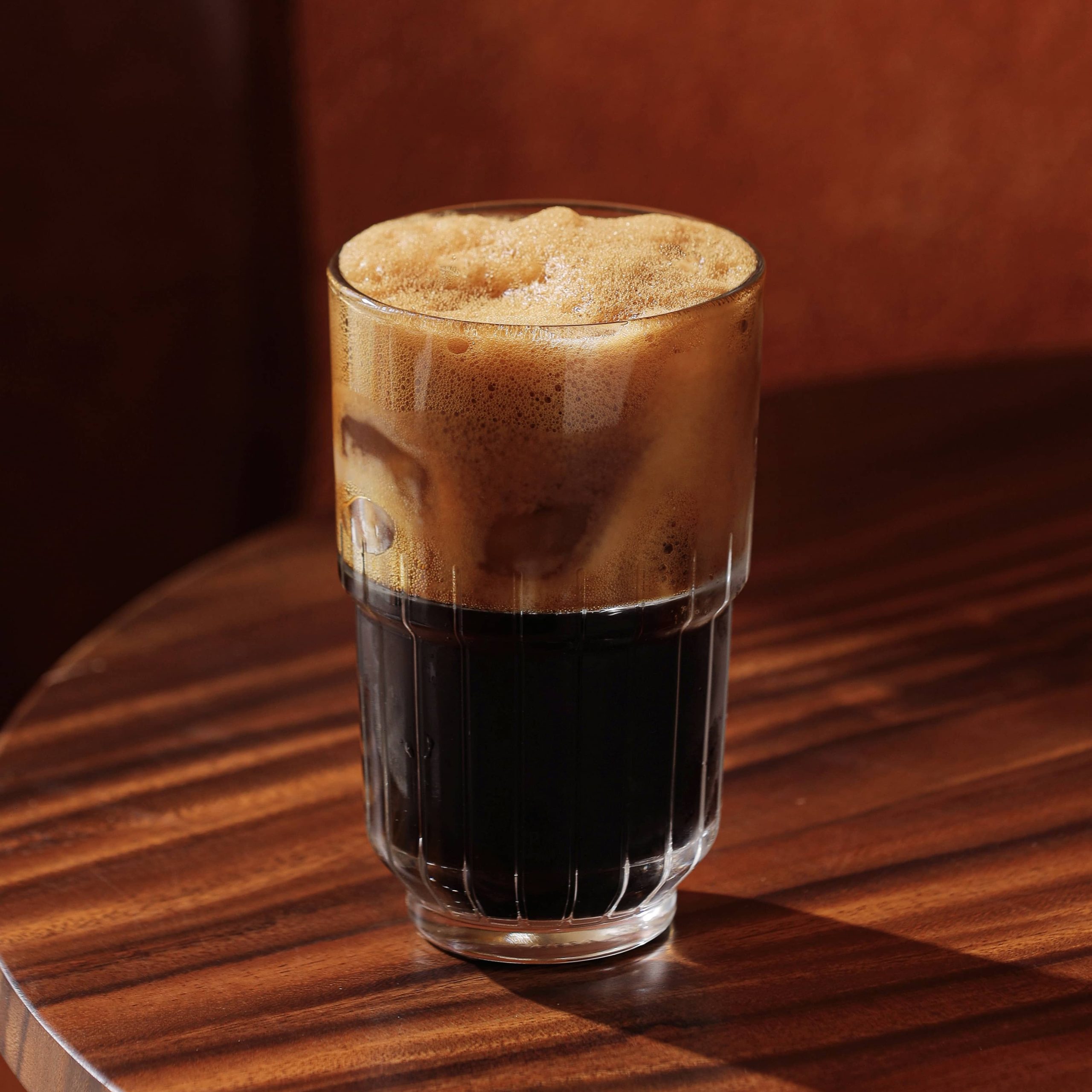
Caffeine is one of the most common questions guests ask, but the answer is rarely as simple as coffee is strong and tea is light. A drink can feel intense because of caffeine, but it can also feel intense because of roast, sweetness, serving size, ice, cream, or how quickly you drink it.
Vietnamese coffee usually feels bold because it is concentrated and brewed for body. Matcha feels different because you drink the powdered tea itself rather than an infusion. Hojicha is roasted green tea, and many people experience it as gentler, though it is still tea and can still contain caffeine.
Why Vietnamese coffee feels strong
Phin coffee is slow and concentrated. The flavor has weight, so even a smaller serving can feel powerful. Condensed milk, salted cream, or cold foam can soften the edges, but the coffee base is still present underneath.
If you are sensitive to caffeine, a simple black coffee may feel more direct than a cream-topped version because there is less richness slowing the sip. Someone who usually orders tea may want to start with a smaller size, sip slowly, or choose a milk-based version.
How matcha feels different
Matcha has a focused, steady quality for many drinkers. Because the tea powder is whisked into the drink, the flavor can feel vivid even when the drink is not extremely sweet. Milk changes that experience: a matcha latte feels softer and rounder, while a less-sweet matcha drink lets the green tea come forward.
Where hojicha fits
Hojicha is useful when you want a roasted flavor without the same coffee intensity. It tastes warm, mellow, and lightly nutty. Guests who want an afternoon drink often find hojicha easier than a bold coffee because the roast feels cozy rather than sharp.
How to choose by time of day
- Morning: Vietnamese coffee or a classic matcha latte if you want a clear start.
- Afternoon: Hojicha, fruit tea, or a lighter matcha if you want something gentler.
- Evening: Ask the team what feels lightest that day, and consider avoiding coffee if caffeine keeps you awake.
Common questions
Is matcha caffeine-free? No. Matcha is tea and contains caffeine.
Is hojicha always low caffeine? Not always. It is often experienced as gentler, but caffeine can vary by tea and serving.
What should sensitive guests do? Start small, ask before ordering, and avoid treating sweetness or milk as a sign that a drink is low caffeine.
How to order with caffeine comfort in mind
If caffeine affects your sleep, anxiety, stomach, or focus, order by timing as much as flavor. Coffee may be better earlier in the day, while hojicha or a lighter tea drink may feel more comfortable later. Serving size, tea strength, and coffee concentration all matter.
It also helps to tell the team what you are trying to avoid. Saying you want something lower-caffeine, not too sweet, and still flavorful is more useful than asking which drink is healthiest. The right answer depends on your body and your day.
Local visit notes for Capitol Hill
Phê is on E Pine St in Capitol Hill, close to Pike/Pine nightlife, small shops, transit stops, and a short ride from downtown Seattle. Street parking changes by block and time of day, so check posted signs, paid parking rules, and event traffic before you commit to a spot. If you are planning around a specific drink from this guide, use the menu as a starting point and contact the cafe for current availability.
Morning visits are usually the easiest time for a focused coffee or matcha stop. Weekends and late afternoons can feel more social, especially when nearby venues and restaurants are busy. Seating, Wi-Fi expectations, outlet access, and accessibility details can vary with the room and the day, so ask the team if you need a quieter table, step-free planning, or a longer laptop session.
FAQ
Is this guide specific to Phê? Yes. It is written for Phê guests using the cafe's menu style, Capitol Hill location, and common ordering questions.
Should I confirm details before visiting? Yes. Prices, seasonal drinks, ingredients, seating, and hours can change, so check the contact page for the best way to ask about today's details.
What should I read next? Start with the first visit guide, the allergy menu guide, or the location page if you are planning a visit.