Hojicha
Hojicha, the roasted tea for coffee people.
By Phê Team · January 2026 · 5 min read
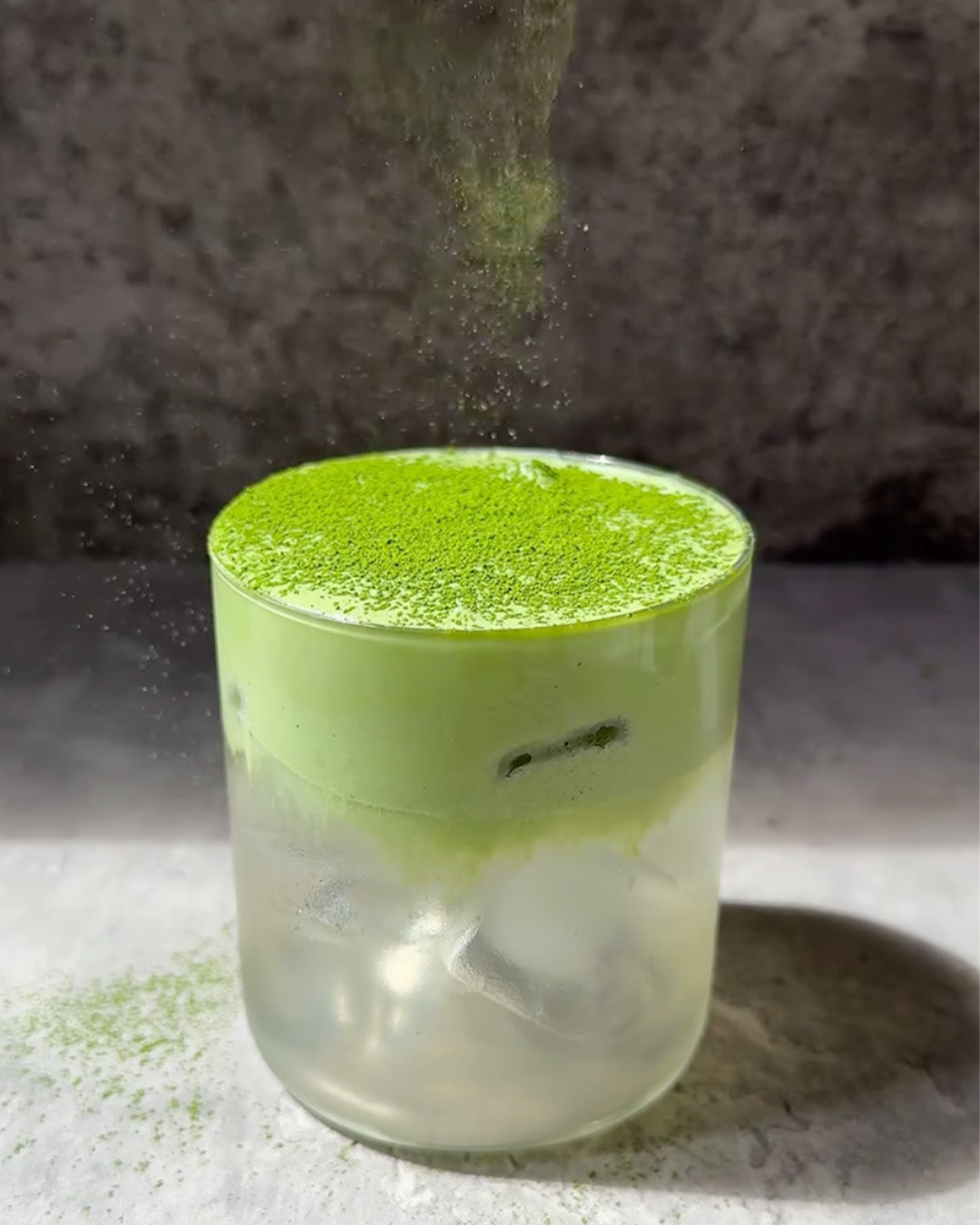
Hojicha is green tea that has been roasted until its flavor becomes warm, mellow, and lightly nutty. It does not taste like the grassy green tea many people imagine. Instead, it has a toasted character that can remind people of cocoa, roasted grain, caramel, or coffee without actually being coffee.
That is why hojicha is often a friendly bridge for coffee drinkers. It has depth and comfort, but it is gentler. In a latte, hojicha becomes smooth and round, especially with milk that supports its roasted aroma.
Why roasting matters
Roasting changes the tea's personality. Fresh green flavors become warmer. Sharp edges soften. The aroma becomes more relaxed. This makes hojicha especially good for afternoon drinks, hot lattes, and cream-topped preparations.
A good hojicha latte should not taste burnt. It should taste toasted. The difference is important. Burnt flavors feel harsh and dry, while roasted flavors feel calm and inviting.
Hojicha in a cafe menu
At Phê, hojicha gives guests another path into tea drinks. Some people want matcha's vivid green energy. Others want something softer. Hojicha is for the second group: guests who like roasted notes, gentle sweetness, and a drink that feels settled.
It also works well with dessert flavors. Banana pudding, cream tops, and soft sweetness can all sit comfortably with hojicha because the tea has enough body to hold them.
When to choose hojicha
Choose hojicha when you want a tea latte that feels less grassy than matcha and less intense than coffee. It is a good choice for rainy days, slower mornings, and anyone who wants a roasted drink without ordering espresso.
The best way to understand it is to try it simply first. Once you know the base, the layered versions make even more sense.
Why hojicha feels so approachable
Hojicha is often easier for new tea drinkers because it does not lead with grassy flavor. The roast gives it a familiar warmth. People who enjoy coffee, toasted grains, roasted nuts, or caramel-like aromas often find hojicha comfortable even if they do not usually order green tea.
It also works well when you want a drink that feels calm rather than bright. Matcha can feel energetic and vivid. Hojicha feels settled. That difference is useful when choosing a drink for the time of day.
Common questions
Does hojicha contain caffeine? Hojicha is tea, so it can contain caffeine, though many guests experience it as gentler than coffee.
Is hojicha sweet? The tea itself is not dessert-sweet, but roasting can create a naturally warm impression that pairs well with milk and light sweetness.
Who should try hojicha first? Try it if you like roasted flavors, want a mellow latte, or find matcha too green for your taste.
How hojicha compares with matcha
Matcha is greener, brighter, and more vivid. Hojicha is warmer, rounder, and more roasted. Neither is better for everyone. The better choice depends on whether you want fresh green tea energy or a softer toasted profile.
If you like roasted nuts, barley tea, cocoa, or coffee aroma, hojicha is often a friendly place to begin.
How to decide if hojicha is for you
Choose hojicha if you like roasted, nutty, warm flavors and want something gentler than a bold coffee or vivid matcha. It is especially good for guests who enjoy toasted notes, milk drinks, or less grassy tea profiles.
If you are comparing it with matcha, think of matcha as green and vivid, and hojicha as roasted and calm. Both are tea, but they create very different visits.
Local visit notes for Capitol Hill
Phê is on E Pine St in Capitol Hill, close to Pike/Pine nightlife, small shops, transit stops, and a short ride from downtown Seattle. Street parking changes by block and time of day, so check posted signs, paid parking rules, and event traffic before you commit to a spot. If you are planning around a specific drink from this guide, use the menu as a starting point and contact the cafe for current availability.
Morning visits are usually the easiest time for a focused coffee or matcha stop. Weekends and late afternoons can feel more social, especially when nearby venues and restaurants are busy. Seating, Wi-Fi expectations, outlet access, and accessibility details can vary with the room and the day, so ask the team if you need a quieter table, step-free planning, or a longer laptop session.
FAQ
Is this guide specific to Phê? Yes. It is written for Phê guests using the cafe's menu style, Capitol Hill location, and common ordering questions.
Should I confirm details before visiting? Yes. Prices, seasonal drinks, ingredients, seating, and hours can change, so check the contact page for the best way to ask about today's details.
What should I read next? Start with the first visit guide, the allergy menu guide, or the location page if you are planning a visit.