Matcha
How to understand a matcha latte.
By Phê Team · January 2026 · 6 min read
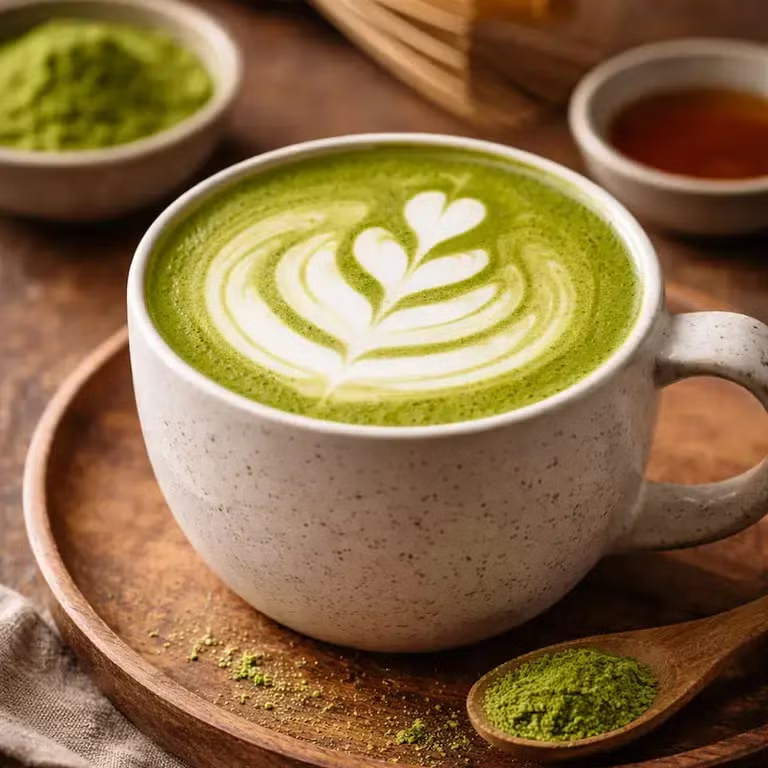
A matcha latte looks simple: matcha, water, milk, and usually a little sweetness. But the experience changes dramatically depending on how those parts are handled. A balanced latte should taste green and alive without becoming grassy, creamy without becoming heavy, and sweet enough to support the tea without covering it.
The first thing to notice is the matcha itself. Some matcha leans floral, some tastes more vegetal, and some has a deeper umami quality. At Phê, we describe these profiles because people enjoy matcha more when they can choose by mood. A lighter profile can feel refreshing, while a deeper one can feel fuller and more savory.
Whisking changes texture
Good whisking is not decoration. It breaks up the powder, introduces air, and helps the matcha become smooth before milk is added. If matcha is not whisked properly, a latte can taste chalky or uneven. The cup may look green, but the drink will not feel integrated.
Temperature also matters. Water that is too hot can make matcha taste harsh. Water that is too cool may not bring out enough flavor. A careful latte lives in the middle, where the tea opens gently and keeps its color.
Milk is part of the recipe
Milk affects sweetness, aroma, and body. Whole milk gives a rounded cafe-style texture. Oat milk can add a soft grain sweetness that many guests enjoy with matcha. The best choice depends on whether you want the tea to taste bright, creamy, or dessert-like.
Sweetness is another decision. A little sweetness can make matcha feel smoother, especially for new drinkers. Too much sweetness turns the drink into a dessert and hides the tea. There is no single correct level, but a thoughtful cafe should make the choice feel clear.
How to order your first one
If you are new to matcha, start with a classic latte and moderate sweetness. If you already like green tea, choose less sweetness and let the tea lead. If you want comfort, try a banana pudding matcha or an einspanner style with cream.
The point is not to make matcha intimidating. The point is to help the cup match your taste. Once you understand the parts, ordering becomes easy.
Signs of a well-made matcha latte
A well-made matcha latte should look smooth, smell fresh, and taste connected from top to bottom. If the first sip tastes watery and the last sip tastes chalky, the matcha was probably not fully incorporated. If the drink tastes only like milk, the tea is too quiet. If it tastes harsh, the water may have been too hot or the sweetness may be too low for that matcha profile.
Good matcha does not need to be mysterious. The cup should communicate clearly: green tea first, then milk, then sweetness. When those pieces line up, the drink feels calm and complete.
Common questions
Should matcha taste bitter? A little bitterness is natural, but it should not be unpleasant. Bitterness should feel like structure, not punishment.
Is iced or hot matcha better? Iced matcha often feels brighter and cleaner. Hot matcha feels softer and more aromatic. The better choice depends on your mood.
Can beginners enjoy matcha? Absolutely. Start with a latte, moderate sweetness, and a milk you already like. Once you understand the base, try less sweet or more tea-forward versions.
What to notice after five minutes
A matcha latte should still taste balanced after the ice has softened or the hot cup has cooled slightly. If the drink falls apart quickly, the recipe may have depended too much on first-sip impact. Most guests do not drink a latte in one dramatic sip, so pacing matters.
When comparing matcha drinks, notice whether the tea remains present underneath milk, cream, fruit, or pudding. That is often the difference between a memorable drink and a drink that only looks good in a photo.
How to judge a good matcha latte
A good matcha latte should still taste like matcha after the milk and sweetness arrive. It should not taste flat, chalky, scorched, or like milk with green color added.
When ordering, decide whether you want the tea to be bright and direct, soft and creamy, or dessert-like. That choice will guide milk, sweetness, ice, and toppings.
Local visit notes for Capitol Hill
Phê is on E Pine St in Capitol Hill, close to Pike/Pine nightlife, small shops, transit stops, and a short ride from downtown Seattle. Street parking changes by block and time of day, so check posted signs, paid parking rules, and event traffic before you commit to a spot. If you are planning around a specific drink from this guide, use the menu as a starting point and contact the cafe for current availability.
Morning visits are usually the easiest time for a focused coffee or matcha stop. Weekends and late afternoons can feel more social, especially when nearby venues and restaurants are busy. Seating, Wi-Fi expectations, outlet access, and accessibility details can vary with the room and the day, so ask the team if you need a quieter table, step-free planning, or a longer laptop session.
FAQ
Is this guide specific to Phê? Yes. It is written for Phê guests using the cafe's menu style, Capitol Hill location, and common ordering questions.
Should I confirm details before visiting? Yes. Prices, seasonal drinks, ingredients, seating, and hours can change, so check the contact page for the best way to ask about today's details.
What should I read next? Start with the first visit guide, the allergy menu guide, or the location page if you are planning a visit.