Vietnamese Coffee
What makes Vietnamese coffee feel so bold?
By Phê Team · January 2026 · 5 min read
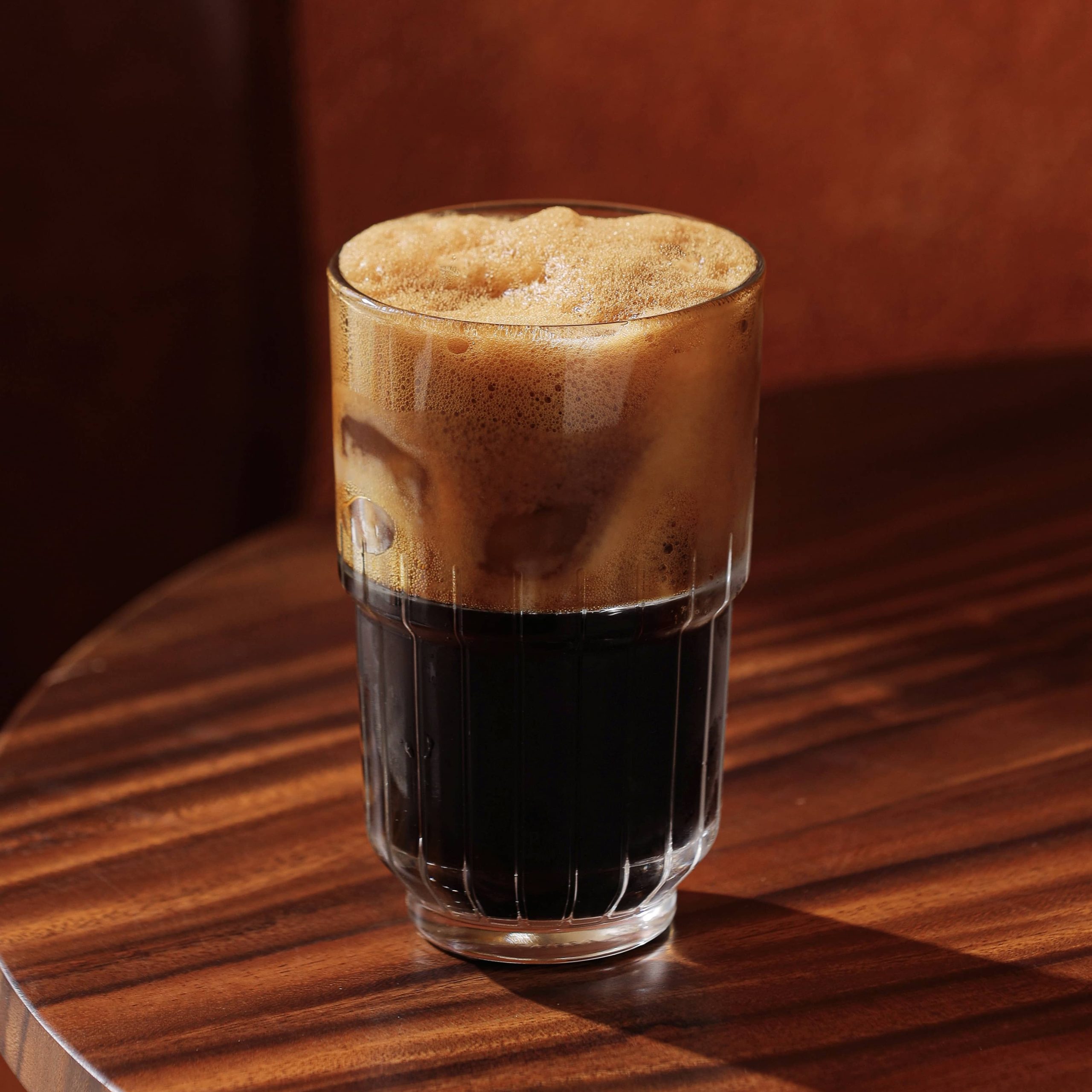
Vietnamese coffee feels bold because it is built around patience and concentration. A traditional phin does not rush the cup. Hot water moves through the grounds slowly, drop by drop, creating coffee with a deep body and a flavor that can stand up to ice, milk, cream, or condensed milk. The result is not just strong coffee. It is coffee with weight.
At Phê, we think of Vietnamese coffee as a drink with structure. The base should be clear enough to taste after the first sip and after the ice begins to soften it. That is why phin-style coffee works so well with condensed milk and cream toppings. The coffee does not disappear. It stays present underneath sweetness and texture.
The role of condensed milk
Condensed milk is more than a sweetener. It adds body, dairy richness, and a caramel-like finish that makes the drink feel round. In a drink like Phê Nâu, condensed milk softens the edges of black coffee while keeping the roasted flavor intact. In cream-based drinks, it becomes part of a layered experience rather than a single flat sweetness.
That balance matters. A good Vietnamese coffee should not taste like sugar with coffee hidden inside. It should taste like coffee first, then sweetness, then a lingering finish that makes you want another sip.
Why the cup feels slow
Vietnamese coffee is also tied to a slower way of sitting. The phin gives people time to talk, wait, notice the aroma, and watch the cup form. Even when the drink is prepared for modern cafe service, that feeling remains. It is a drink with a built-in pause.
For first-time guests, we often suggest starting with Phê Den if you want the clearest Vietnamese coffee flavor, Phê Sua if you want a smoother milk coffee, or Phê Muối if you want the sweet-savory experience of salted cream coffee. Each drink shows a different side of the same phin coffee tradition.
Modern variations can still respect the base
Newer drinks with sesame cream, sweet corn cream, honeycomb, or spiced foam can be playful without losing the identity of Vietnamese coffee. The key is to let the coffee remain the anchor. When the base is brewed well, the additions feel intentional instead of distracting.
That is the heart of Phê's coffee menu: bold coffee, thoughtful sweetness, and textures that make the cup feel memorable. It is comfort with a backbone.
What to notice in your first cup
If you are tasting Vietnamese coffee for the first time, pay attention to three things: aroma, weight, and finish. The aroma should feel roasted and direct. The body should feel fuller than a standard drip coffee. The finish should stay with you after the sip, especially when condensed milk or cream is involved.
A helpful way to compare drinks is to order one simple coffee and one layered coffee across two visits. Phê Den shows the phin coffee base clearly. Phê Muối shows how salted cream can soften intensity while keeping the coffee bold. That comparison teaches more than reading a menu ever could.
Common questions
Is Vietnamese coffee always sweet? No. Some versions are served black, while others use condensed milk, cream, or flavored toppings. Sweetness depends on the drink style.
Is phin coffee stronger than espresso? It is different. Phin coffee is concentrated and slow-brewed, while espresso is pressure-brewed. Both can taste intense, but they carry that intensity differently.
What should I order if I do not like very sweet drinks? Start with Phê Den or ask for a less sweet milk-based option. It is easier to add sweetness later than to remove it.
How to make the first order easier
If you are unsure where to start, choose based on how much sweetness and dairy you want. Phê Den keeps the coffee clear. Phê Nâu adds condensed milk and a rounder finish. Cream-topped versions are richer and slower, which makes them better for guests who enjoy texture as much as coffee strength.
Taste, caffeine tolerance, and sweetness preferences are personal, so the best recommendation is the one that matches how you actually drink coffee.
Local visit notes for Capitol Hill
Phê is on E Pine St in Capitol Hill, close to Pike/Pine nightlife, small shops, transit stops, and a short ride from downtown Seattle. Street parking changes by block and time of day, so check posted signs, paid parking rules, and event traffic before you commit to a spot. If you are planning around a specific drink from this guide, use the menu as a starting point and contact the cafe for current availability.
Morning visits are usually the easiest time for a focused coffee or matcha stop. Weekends and late afternoons can feel more social, especially when nearby venues and restaurants are busy. Seating, Wi-Fi expectations, outlet access, and accessibility details can vary with the room and the day, so ask the team if you need a quieter table, step-free planning, or a longer laptop session.
FAQ
Is this guide specific to Phê? Yes. It is written for Phê guests using the cafe's menu style, Capitol Hill location, and common ordering questions.
Should I confirm details before visiting? Yes. Prices, seasonal drinks, ingredients, seating, and hours can change, so check the contact page for the best way to ask about today's details.
What should I read next? Start with the first visit guide, the allergy menu guide, or the location page if you are planning a visit.