Ingredients
How ingredients change the feel of a drink.
By Phê Team · January 2026 · 5 min read
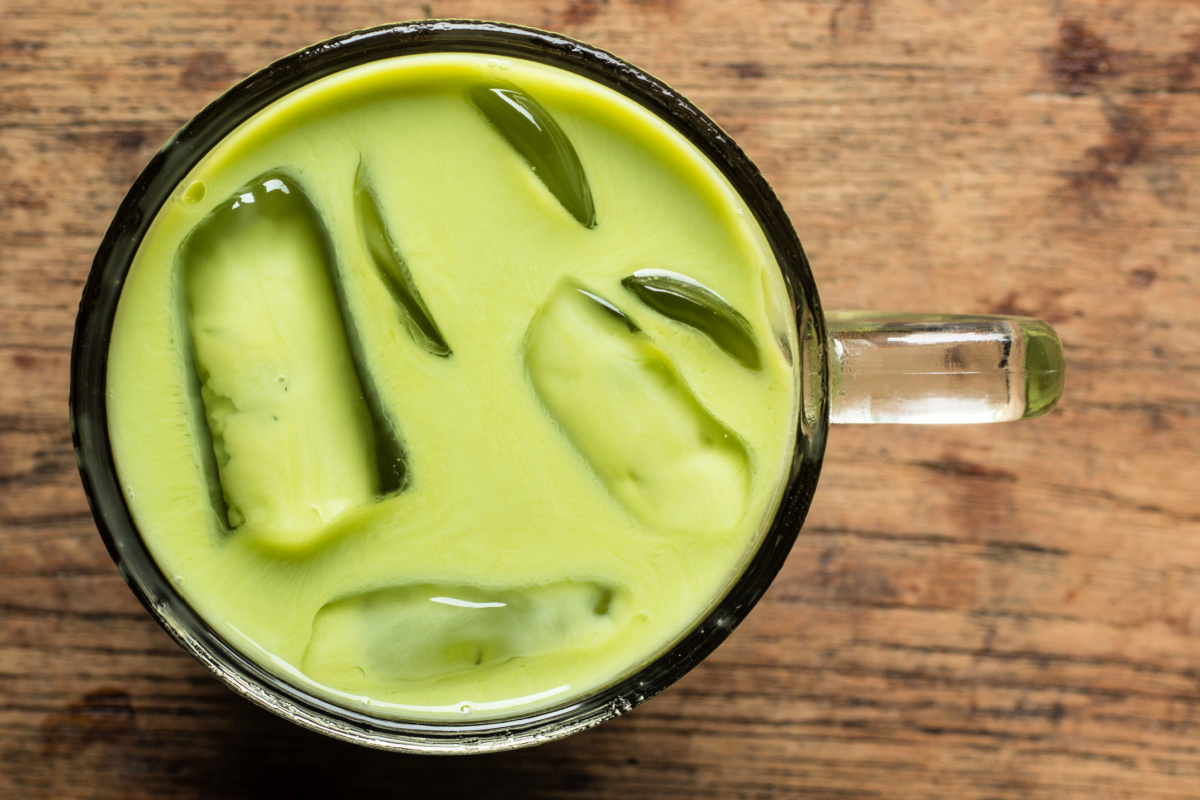
A drink is not only its main ingredient. Matcha, coffee, or tea may be the anchor, but milk, cream, ice, fruit, jelly, sweetness, and temperature all change how the cup feels. Two drinks can share the same base and still feel completely different.
At Phê, we think about ingredients as texture, aroma, and pacing. A drink should make sense from the first sip to the last, even as ice melts or cream begins to fold into the base.
Milk changes body
Milk can make a drink rounder, softer, and more filling. Whole milk gives richness. Oat milk brings a gentle grain sweetness. The choice affects not only flavor but also how long the drink lingers after each sip.
That is why milk choice matters in matcha and hojicha drinks. The tea should still be present, but the milk can shape whether the drink feels bright, cozy, or dessert-like.
Texture slows the sip
Jelly, pudding, cream tops, and foam all add texture. Texture makes people notice the drink more. It also changes the rhythm: you sip differently when the drink has layers.
Good texture should support the flavor. If it distracts from the drink, it becomes a gimmick. If it gives the drink a clear personality, it becomes part of the experience.
Sweetness should have a job
Sweetness can lift fruit, soften matcha, round coffee, or make a dessert drink feel complete. But sweetness without purpose makes a drink flat. A balanced recipe uses sweetness to connect ingredients, not hide them.
That is the difference between a drink that is simply sweet and a drink that feels thoughtfully built.
How to read a drink description
When reading a cafe menu, look for the role each ingredient plays. Matcha or coffee is usually the base. Milk changes body. Cream changes richness. Fruit changes brightness. Jelly or pudding changes texture. Sweetness connects everything. Once you read the menu this way, drinks become easier to understand.
This is also useful when customizing. If you remove sweetness, a drink may taste sharper. If you change milk, the texture may shift. If you remove a topping, the drink may become cleaner but less layered.
Common questions
Why do some drinks need sweetness? Sweetness can balance bitterness, lift fruit, and make cream feel complete. It should have a purpose.
Are toppings just decoration? Not when used well. Toppings can add aroma, texture, and pacing.
Why does ice matter? Ice changes dilution and temperature. A drink should still taste good after a few minutes, not only on the first sip.
Ingredients also affect trust
Clear ingredient language matters because guests make real choices from it. Someone may be avoiding dairy, watching caffeine, choosing a lighter drink, or trying to understand whether a topping contains nuts or gluten. Useful content should answer those questions without pretending to replace a direct allergy conversation.
When a menu description explains texture, sweetness, and likely allergens, it helps guests order with more confidence and fewer surprises.
How to read ingredient notes
Ingredient notes are most useful when they explain function, not just a list. Milk changes body, sweetness changes balance, cream changes pace, fruit changes brightness, and toppings can change allergens.
If an ingredient matters to your health, diet, or comfort, use the guide as a starting point and confirm the current recipe with the cafe before ordering.
Local visit notes for Capitol Hill
Phê is on E Pine St in Capitol Hill, close to Pike/Pine nightlife, small shops, transit stops, and a short ride from downtown Seattle. Street parking changes by block and time of day, so check posted signs, paid parking rules, and event traffic before you commit to a spot. If you are planning around a specific drink from this guide, use the menu as a starting point and contact the cafe for current availability.
Morning visits are usually the easiest time for a focused coffee or matcha stop. Weekends and late afternoons can feel more social, especially when nearby venues and restaurants are busy. Seating, Wi-Fi expectations, outlet access, and accessibility details can vary with the room and the day, so ask the team if you need a quieter table, step-free planning, or a longer laptop session.
FAQ
Is this guide specific to Phê? Yes. It is written for Phê guests using the cafe's menu style, Capitol Hill location, and common ordering questions.
Should I confirm details before visiting? Yes. Prices, seasonal drinks, ingredients, seating, and hours can change, so check the contact page for the best way to ask about today's details.
What should I read next? Start with the first visit guide, the allergy menu guide, or the location page if you are planning a visit.